
A practical guide to budgeting, activities, event logistics, and meaningful experiences for employees and their families.
1. Start With the Purpose, Not the Activities
Determine what the company wants the event to accomplish. Furthermore, strengthen workplace relationships, recognize employees, welcome families, or celebrate a milestone. Clear goals help planners make better decisions throughout the process.
2. Build a Realistic Budget
Cover venue rental, food, entertainment, activity supplies, staffing, insurance, signage, accessibility, and contingency funds. Then, explain how attendance estimates and per-person costs affect decisions. Include a reusable budget worksheet.
3. Choose the Right Venue
Compare office campuses, parks, rented event spaces, and indoor recreation venues. Therefore, discuss parking, restrooms, shade, weather protection, accessibility, transportation, and age-appropriate spaces.
4. Design an Experience for Every Generation
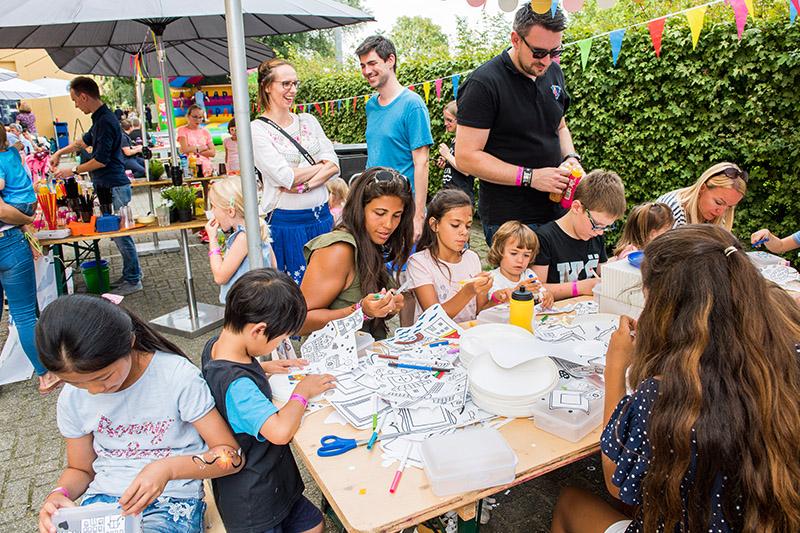
Help planners accommodate toddlers, school-age children, teenagers, parents, and other family members. Additionally, balance energetic entertainment with creative activities, quiet areas, food breaks, and opportunities to socialize.
5. Plan Activities That Work at Scale
Explore activity stations, performances, team challenges, crafts, games, and hands-on experiences. Address participation capacity, queues, staffing, setup time, and backup activities. Link to your existing article, How to Keep 25, 50, or 100 Kids Engaged at an Event, for detailed children’s activity planning.
6. Coordinate Vendors and Event Partners
Cover vendor selection, quotes, contracts, delivery windows, setup requirements, power access, insurance documentation, cancellation terms, and day-of contacts. Provide questions planners should ask before booking.
7. Create a Workable Event-Day Schedule
Explain how to stagger arrivals, coordinate food service, schedule entertainment, allow transition time, and prevent bottlenecks. Include a sample four-hour event schedule that planners can adapt.
8. Make Logistics Feel Effortless
Address invitations, RSVPs, dietary needs, check-in, name tags, signage, lost children procedures, first aid, waste management, cleanup, and communication among event staff.
9. Prepare for the Unexpected
Develop backup plans for rain, extreme heat, vendor delays, supply shortages, attendance changes, and activities that finish early. Also, include a practical contingency checklist.
10. Create Memories That Last Beyond the Event
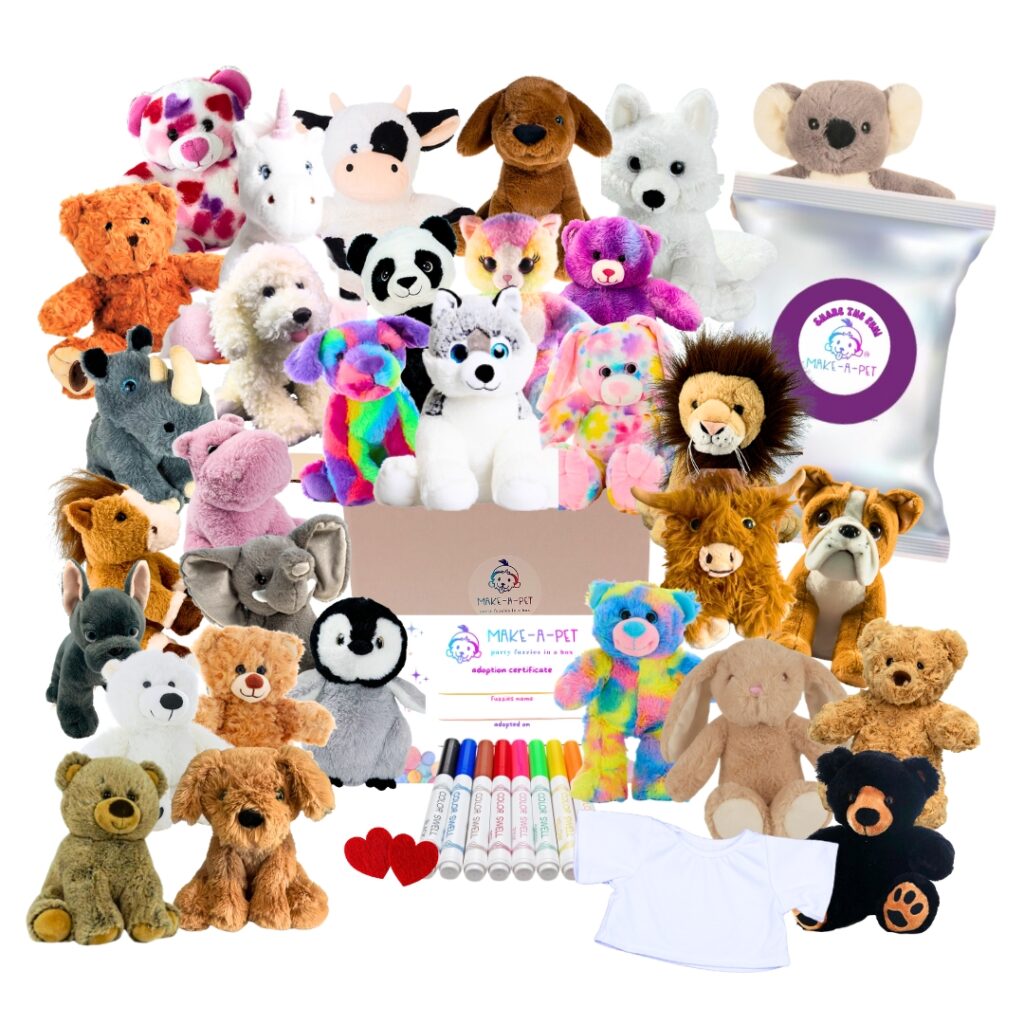
Explore family photos, collaborative projects, personalized keepsakes, shared creative experiences, and thoughtful take-home gifts. Then, discuss why meaningful participation can make a stronger impression than simply handing out promotional merchandise.
11. Measure Success and Improve Next Year’s Event
Finally, suggest a brief attendee survey, employee feedback, participation counts, budget comparisons, and a post-event review. Help planners document lessons while they’re still fresh.
Discover more from Make-A-Pet
Subscribe to get the latest posts sent to your email.