
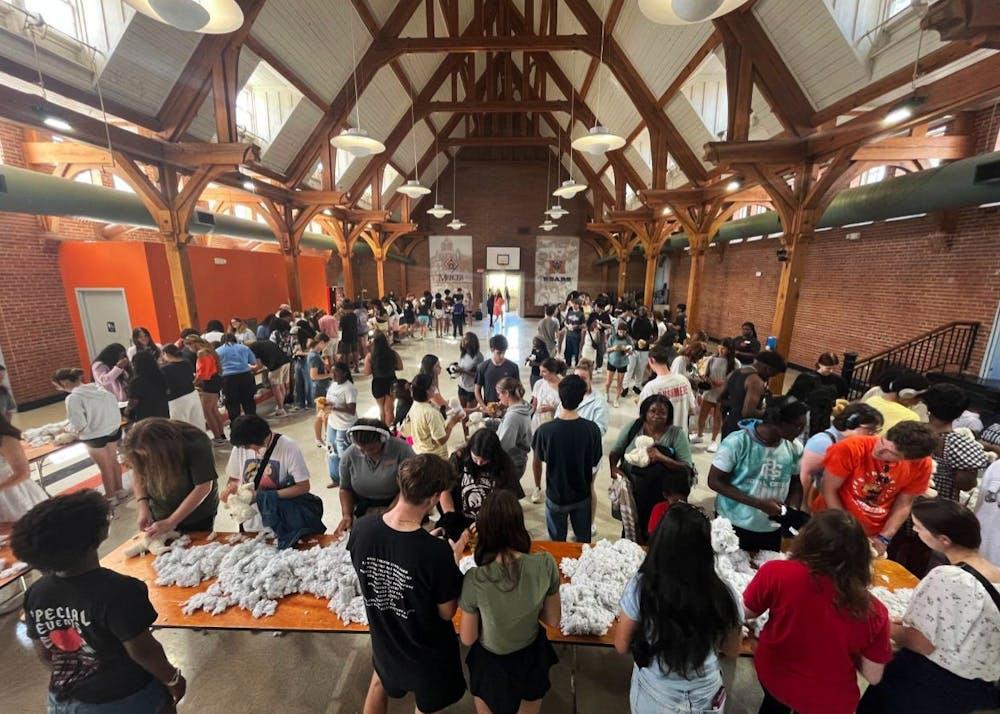
Large Group Activities for Kids
If you’re organizing an event for 25, 50, or even 100 children, you probably have questions. How do you keep everyone engaged? How much preparation will you need? And how can you make the activity enjoyable without overwhelming the adults running it?
We understand these concerns, especially when you’re planning a larger event. That’s why we’ve put together this practical guide to help you plan with confidence.
Whether you’re organizing a birthday party, school celebration, camp, or community event, you’ll find strategies you can use right away. Our goal is simple: help you create a great experience for everyone involved.
1. How Do You Choose an Activity That Works for a Large Group?
The best activity isn’t necessarily the most elaborate or expensive. Instead, choose something that fits your space, group size, schedule, and available helpers.
Before choosing an activity, consider these five factors:
- Participation: Can several children participate at the same time?
- Simplicity: Can children understand the instructions quickly?
- Flexibility: Can younger and older children enjoy the same activity?
- Timing: Can participants finish within your available time?
- Take-home value: Can the activity create something children enjoy afterward?
Whenever possible, choose activities that minimize complicated instructions and long individual turns. For example, collaborative crafts, group challenges, creative stations, and hands-on projects can keep children actively involved.
Also, consider your venue. A classroom may accommodate seated crafts, while an outdoor field offers room for movement-based games.
Finally, match the activity to your event’s purpose. A birthday party might prioritize fun and creativity, while a school event might emphasize teamwork or learning.
2. How Do You Keep Children From Waiting Around?
Waiting can drain excitement from even the best activity. Fortunately, you can prevent many delays with a few simple adjustments.
Prepare Supplies Before Children Arrive
Organize materials in advance so children can begin without searching for supplies. Place everything within easy reach, and separate materials into clearly labeled containers.
Let More Children Participate Simultaneously
Choose activities that accommodate several participants at once. When everyone can work together, fewer children spend time watching others.
Create Multiple Stations
If an activity requires individual attention, establish several stations. Assign a helper to each station when possible, and give children clear directions for moving between them.
Offer a Useful Next Step
Some children finish faster than others. Prepare an optional extension, decorating opportunity, or related challenge for early finishers.
Explain the Activity Before Starting
Give everyone a short demonstration before distributing supplies. Clear instructions reduce confusion and help children begin confidently.
The goal isn’t to eliminate every pause. Instead, create a simple flow that keeps children involved throughout the activity.
3. How Do You Organize Supplies for 25, 50, or 100 Participants?
Supply planning becomes increasingly important as your group grows. A system that works for 25 children may become difficult to manage for 100.
Start by calculating the materials each participant needs. Then add a reasonable reserve for damaged supplies, mistakes, or unexpected guests.
| Group size | Planning priority | Practical approach |
|---|---|---|
| 25 children | Easy distribution | Prepare individual sets or clearly organized shared supplies. |
| 50 children | Consistent setup | Divide materials into manageable batches and label each station. |
| 100+ children | Reliable distribution | Assign supply zones, designate helpers, and establish a clear movement plan. |
These approaches provide starting points, not rigid rules. Your activity, venue, participant ages, and available helpers will determine the best setup.
Calculate Supplies Before Ordering
Use this simple formula:
Participants × supplies per person + reserve supplies = total quantity needed
For example, if 50 children each need one craft item, plan for 55 items with a 10% reserve.
For larger events, confirm delivery dates, storage requirements, and setup time well before the event.
Choose a Distribution Method
Individual kits work well when every participant needs the same materials. Shared supplies can work better when children use materials collectively.
Consider your activity before deciding which approach offers the best balance of convenience, organization, and interaction.
4. How Do You Accommodate Different Ages and Attention Spans?
A group of 50 children rarely shares the same abilities, interests, or attention span. Fortunately, you can often accommodate those differences without creating entirely separate activities.
Offer Different Levels of Challenge
Choose an activity with a simple starting point and optional ways to personalize or expand it.
Younger children might enjoy choosing colors and adding decorations. Older children might prefer detailed designs, storytelling, or more intricate challenges.
Break Instructions Into Small Steps
Demonstrate one step at a time instead of explaining the entire activity at once. Short instructions help children understand what to do next.
Build Flexibility Into the Schedule
Some children finish quickly, while others need more time. Allow a little flexibility, and prepare optional tasks for early finishers.
Consider Different Participation Needs
Not every child enjoys loud games, competitive challenges, or crowded spaces. Whenever possible, offer quieter alternatives and different ways to participate.
Above all, avoid assuming that age alone determines ability or interest. A flexible activity lets children participate in ways that suit them.
5. How Do You Make the Activity Manageable for Adults?
An activity should engage children without overwhelming the adults responsible for running it.
Before the event, divide responsibilities and establish a simple operating plan.
Assign Clear Roles
Depending on your group and activity, adults might handle:
- Greeting participants and explaining instructions.
- Distributing supplies and replenishing materials.
- Helping children who need extra support.
- Monitoring movement between stations.
- Managing cleanup and collecting reusable supplies.
For larger groups, brief every helper before children arrive. Everyone should understand their responsibilities and know whom to contact with questions.
Use a Simple Timeline
Allow time for setup, instructions, participation, cleanup, and unexpected delays. Avoid filling every minute with scheduled activities.
Keep Instructions Visible
Post simple instructions at each station when appropriate. Visual examples can help children get started without repeatedly asking adults for assistance.
Plan Cleanup Before the Activity Begins
Place waste containers and collection bins where children can easily find them. Decide how to store unfinished projects and leftover materials.
Finally, choose an activity that matches your actual staffing. A complicated activity may look exciting on paper but become stressful when too few adults can support it.
6. Consider Activities Children Can Finish and Take Home
An activity becomes especially memorable when children leave with something they created or personalized themselves.
Take-home projects can also serve as party favors, reducing the need to organize a separate favor distribution.
Consider decorated crafts, personalized keepsakes, creative journals, or simple projects children can complete during the event.
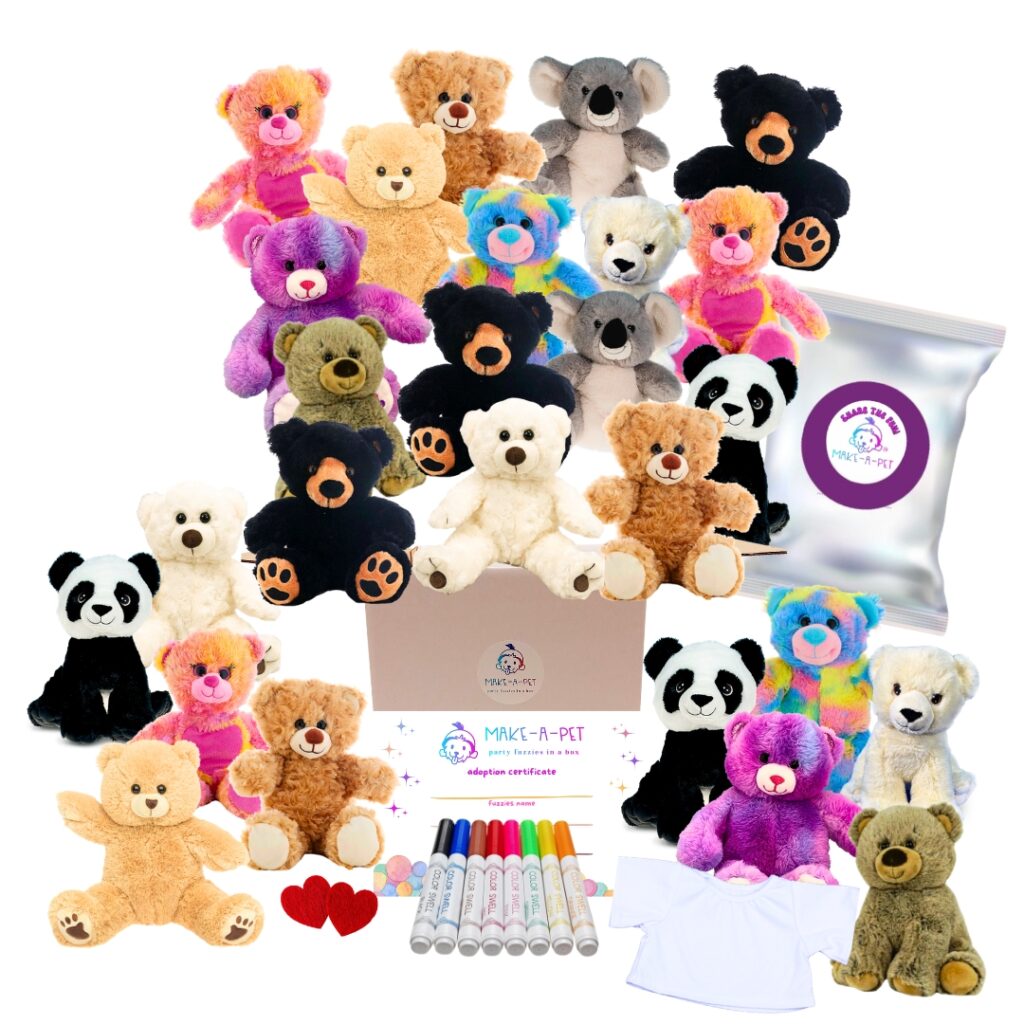
For plush-making activities, complete kits can bring the necessary materials together in one package. Make-A-Pet offers stuffable plush animal kits for parties and group events, providing one option for organizers considering a hands-on take-home activity.
Whichever activity you choose, confirm that the project fits your schedule, budget, age range, and available assistance.
7. Your Large-Group Event Planning Checklist
Before the event, work through this checklist:
- Choose an activity suited to your participants and venue.
- Confirm the number and ages of expected participants.
- Calculate supplies and add a reasonable reserve.
- Decide how to distribute materials.
- Prepare instructions and demonstrations.
- Assign responsibilities to available helpers.
- Plan for different abilities and attention spans.
- Prepare an option for early finishers.
- Schedule setup, participation, and cleanup.
- Check delivery dates and storage requirements.
- Confirm that every participant can complete the activity.
- Prepare a backup plan for unexpected changes.
Final Thoughts: Plan for Participation, Not Perfection
Successful large-group events rarely depend on elaborate activities. Instead, they depend on thoughtful preparation, clear instructions, and realistic expectations.
Choose an activity that fits your group. Organize supplies before participants arrive. Reduce unnecessary waiting, and give children room to work at their own pace.
Most importantly, make the experience manageable for the adults leading it. When the activity runs smoothly, everyone has more opportunity to participate, create, and enjoy the event.
Discover more from Make-A-Pet
Subscribe to get the latest posts sent to your email.