
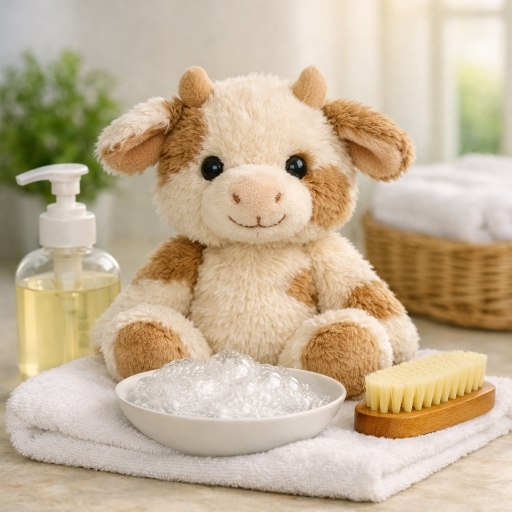
The Smart Parent’s Guide to Safe Plushie Cleaning and Maintenance
Parents often search how to clean stuffed animals safely without damaging favorite plush toys.
However, plush toys collect dust, allergens, bacteria, and odors surprisingly fast.
Because of this, regular plushie cleaning protects both toys and family health.
At the same time, proper care helps stuffed animals last for years.
Today, many parents search for safe stuffed animal cleaning methods online.
Likewise, families want washable plush toys that survive daily play easily.
Fortunately, modern plushie maintenance techniques simplify the entire cleaning process.
🧼 How to Clean Stuffed Animals Safely and Why Plushie Cleaning Matters
Children carry plushies everywhere throughout the day constantly.
Consequently, stuffed animals contact dirt, food spills, pet hair, and germs regularly.
Meanwhile, younger kids often sleep with plush toys every night.
According to pediatric health experts, soft toys trap allergens and bacteria easily.
Therefore, parents should clean plushies frequently for better household hygiene.
Importantly, regular care also preserves fabric softness and stitching quality.
Experts recommend cleaning frequently used plushies every two to four weeks.
Additionally, spot cleaning should happen immediately after spills or stains appear.
🖐️ Hand Washing Plushies Safely
Hand washing protects delicate plush toys better than aggressive machine cycles.
For that reason, many parents prefer gentle hand-cleaning methods first. Hand washing remains one of the best ways to clean stuffed animals safely.
Start by filling a clean sink with lukewarm water carefully.
Next, add mild detergent designed for sensitive fabrics or baby clothing.
Then, gently massage the plushie using a soft microfiber cloth.
Avoid twisting or wringing the stuffing aggressively during cleaning.
Instead, press water outward gently using clean towels.
Afterward, rinse thoroughly until soap residue disappears completely.
Finally, air dry the plushie in a ventilated indoor space naturally.
Meanwhile, rotate the toy occasionally for faster, even drying.
🧺 Machine Washing Stuffed Animals
Many modern washable stuffed animals support machine washing safely.
Nevertheless, parents should always check care labels before cleaning.
First, place the plushie inside a mesh laundry bag carefully.
Alternatively, use a zippered pillowcase for additional fabric protection.
Then, wash using cold water and a delicate machine cycle.
Importantly, choose fragrance-free detergent whenever possible.
Likewise, avoid bleach or harsh fabric softeners completely.
Those products damage plush fabric and weaken stitching quickly.
After washing, skip high dryer heat completely.
Instead, tumble dry using low heat or no heat settings.
Better yet, air dry plush toys on drying racks naturally. These steps help parents clean stuffed animals safely while protecting soft fabrics.
🧽 Spot Cleaning Small Stains
Sometimes, plushies only need quick stain removal treatments.
In those situations, spot cleaning works extremely well for busy parents.
Start by blotting stains immediately using a dry cloth gently.
Next, mix warm water with mild detergent carefully.
Then, dab the stained area using circular motions lightly.
Avoid soaking the plushie during small cleaning jobs.
Otherwise, moisture can damage stuffing and create mildew odors later.
After cleaning, dry the area thoroughly using fresh towels.
Importantly, baking soda helps remove lingering odors naturally.
Simply sprinkle lightly, wait briefly, and vacuum carefully afterward.
🧴 Sanitizing Plushies Without Damage
Many parents now prioritize plush toy sanitizing for healthier households.
Fortunately, several modern methods clean plushies safely and effectively.
For example, garment steamers kill surface bacteria quickly.
Likewise, UV sanitizing devices help reduce germs on plush fabrics.
However, always test delicate materials before deep sanitizing treatments.
Additionally, freezing plushies helps eliminate dust mites naturally.
Simply seal the toy inside freezer bags overnight securely.
Then, allow gradual warming before returning the toy to children.
🌬️ Drying Plushies the Right Way
Proper drying prevents mildew, odors, and fabric damage effectively.
Therefore, drying methods matter just as much as washing techniques.
First, squeeze excess moisture using absorbent towels carefully.
Next, reshape the plushie while the fabric remains slightly damp.
Then, place the toy near circulating air for quicker drying.
Avoid direct sunlight for extended periods outdoors.
Otherwise, bright sunlight can fade colors and weaken fibers gradually.
Meanwhile, ceiling fans help plushies dry evenly indoors.
🧸 How to Maintain Plushies Longer
Consistent plushie maintenance protects sentimental toys from unnecessary wear.
For that reason, smart storage habits make a huge difference.
Store stuffed animals inside breathable storage bins or baskets.
Additionally, rotate favorite plushies to reduce heavy daily wear.
Likewise, keep plush toys away from food and sticky drinks often.
Parents should also inspect seams and stitching regularly.
Small repairs prevent stuffing leaks and larger fabric tears later.
Importantly, gentle brushing restores fluffy plush textures beautifully.
🌟 Final Thoughts for Parents
Stuffable plushies hold emotional value far beyond ordinary toys.
After all, children create memories, routines, and comfort around beloved plushies daily.
Because of this, proper plushie cleaning deserves consistent attention.
Fortunately, modern stuffed animal care remains simple and manageable.
Whether parents hand wash, machine wash, or spot clean, gentle methods matter most. Most importantly, parents can clean stuffed animals safely using gentle modern techniques.
Ultimately, clean plushies stay softer, safer, and more lovable for growing families.
Discover more from Make-A-Pet
Subscribe to get the latest posts sent to your email.